The corporate directive was clear: Posters were out, digital messaging via screens installed in workplaces was in. That's how we'd get the message out.
Walking the manufacturing sites told a different story: screens were mounted too high for people to read anything smaller than a headline, and covered in a thick layer of dust from machinery activity. Meanwhile every morning, coffee in hand, teams met by the noticeboard for their morning workflow meeting. And while they waited for the meeting to start, they read notices and chatted.
Posters were back in...
It's a simple story, but all true, and it perfectly illustrates a principle that underpins every project we do at IC Partners: start where the work is.
Too often, organisations try to understand employees from a distance. They analyse survey results, review dashboards and debate findings in meeting rooms. But as valuable as these tools are, they only ever uncover part of the story. The rest is taking place in team meetings, Teams chats, break rooms, shop floors and informal conversations between colleagues.
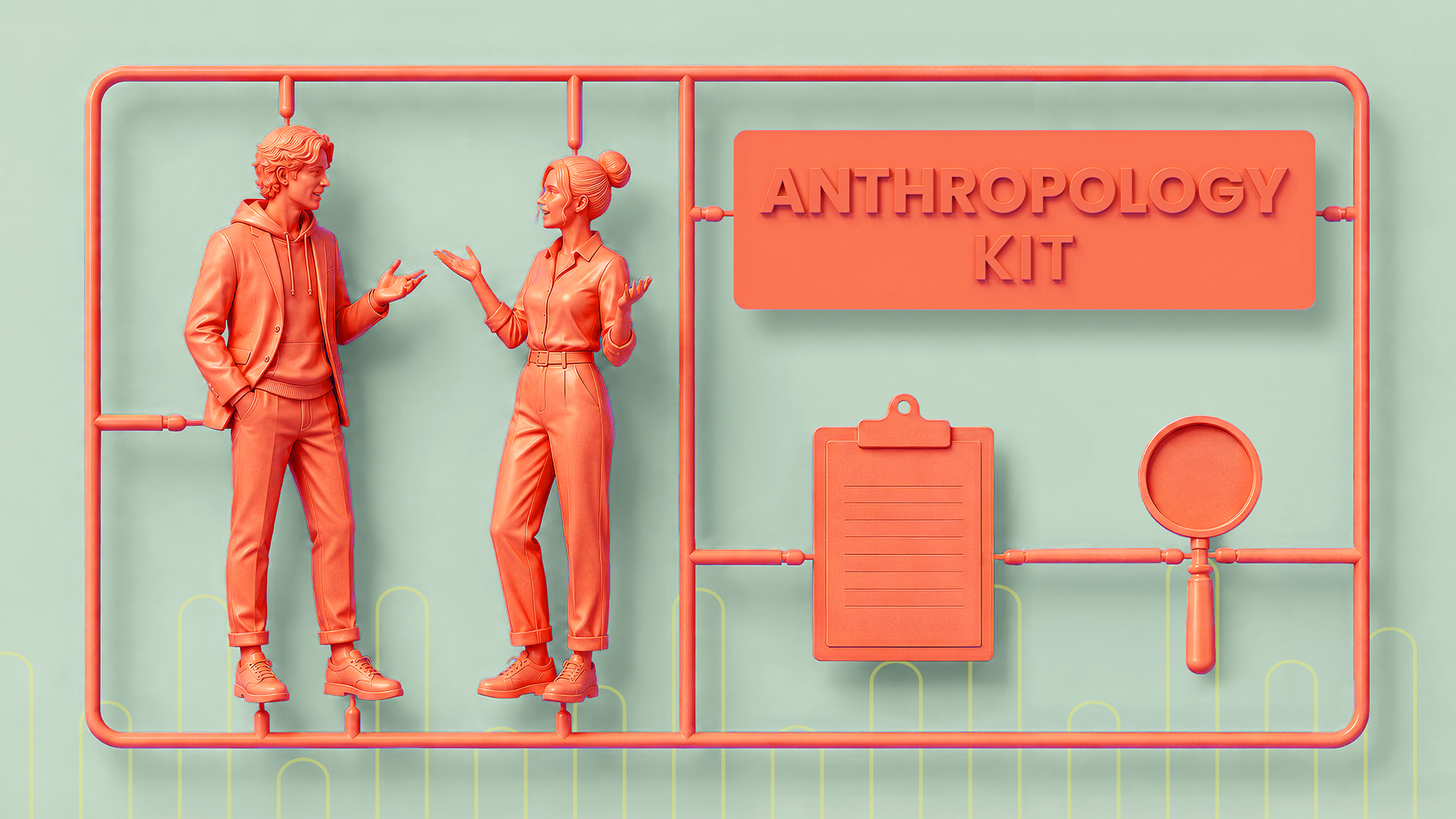
That's where anthropology comes in. Anthropologists don't just guess from a distance, they immerse themselves in people's worlds to understand meaning and behaviour. And for internal communicators, that's a powerful mindset. Because no matter how sophisticated our analytics become, we can't design people-first communication from a spreadsheet. We have to feel what it's like to be on the receiving end.
From listening to empathy
When you spend time where the work happens, you start to notice the practical and emotional realities that corporate headlines often miss:
- The frustration of not being able to find information
- The anxiety that spreads when a rumour takes hold
- The workarounds people create when processes don't quite work as intended
- The ambassadors who are heard louder and clearer than any email
These moments are more than observations. They're clues. They show where communication is helping, where it's hindering and where employees need something different.
Four ways to start where the work is
If we want to improve communication, engagement or employee experience, we need to understand what actually happens - not how organisational charts, strategy maps or leadership presentations suggest it happens.
1. Shadow, don't assume
Too much communication and change planning starts in the project room. We gather stakeholders and begin designing solutions before we've spent any meaningful time with the people affected.
The anthropologist: goes where life happens - sitting alongside employees, joining team meetings, listening in on conversations, observing shift handovers and spending time where work gets done.
The gap between the formal organisation and the lived experience is often where the most valuable insights are found.
2. Listen between the lines
Employees rarely tell you everything directly. Sometimes they can't. Sometimes they don't feel safe to. Sometimes they just aren't aware of what's driving their behaviour.
The anthropologist: pays attention to what's not said, as much as what's said. What topics make people uncomfortable? What questions are asked in front of colleagues but never in front of leaders? Which policies exist on paper but are routinely ignored?
The unspoken rules of an organisation often have a greater influence on behaviour than the written ones.
3. Follow the clues
Culture leaves clues everywhere. Screenshots, Teams channels, Slack emojis, posters in break rooms, noticeboards, shared documents, meeting invites and even the language people use, all reveal something about how an organisation really operates.
The anthropologist: knows that these "artefacts" tell stories about what matters, what is valued, what is feared and what is ignored. Often they reveal more than survey scores ever could.
4. Spot the patterns
The goal is not to collect observations for their own sake. The real value comes from identifying patterns across what you've seen and heard. Perhaps corporate-level information consistently gets translated by local managers before people trust it? Perhaps employees bypass official channels and rely on an informal WhatsApp group? Perhaps recognition is unevenly distributed or decision-making feels opaque?
The anthropologist: interprets patterns to uncover the deeper dynamics shaping the communication experience.
Ultimately, being more anthropologist means replacing assumptions with observation. It means getting out from behind the desk and spending less time talking about employees and more time with them. The answers are rarely in the data - they're in the room.
So next time you're asked for a communication strategy, engagement plan or change programme, resist the urge to head straight for PowerPoint. Go to where the work happens first. Sit in the meeting. Walk the floor. Watch what people actually do.
The answers are often hiding in plain sight. You just have to show up to find them!
More insights