We’re currently testing an Employee Value Proposition (EVP) we’ve developed for one of our clients – a fast-growth business with thousands of employees all over the world.
On paper, it’s strong and compelling – an EVP that’s grounded in insight. The story is clear and beautifully written. The creative is impactful and emotive. And the activation plan is solid. It works in the room with the leaders and HR team leading the work.
But that’s not the test that matters.
Because when this lands with employees, something very different happens. They don’t analyse it. They don’t score it. They just react.
Sometimes you get a nod—a quiet sense of “yes, that’s us.” And sometimes… you get a glance. A smirk. A raised eyebrow.
The kind of reaction that never shows up in a research report, but tells you everything you need to know.
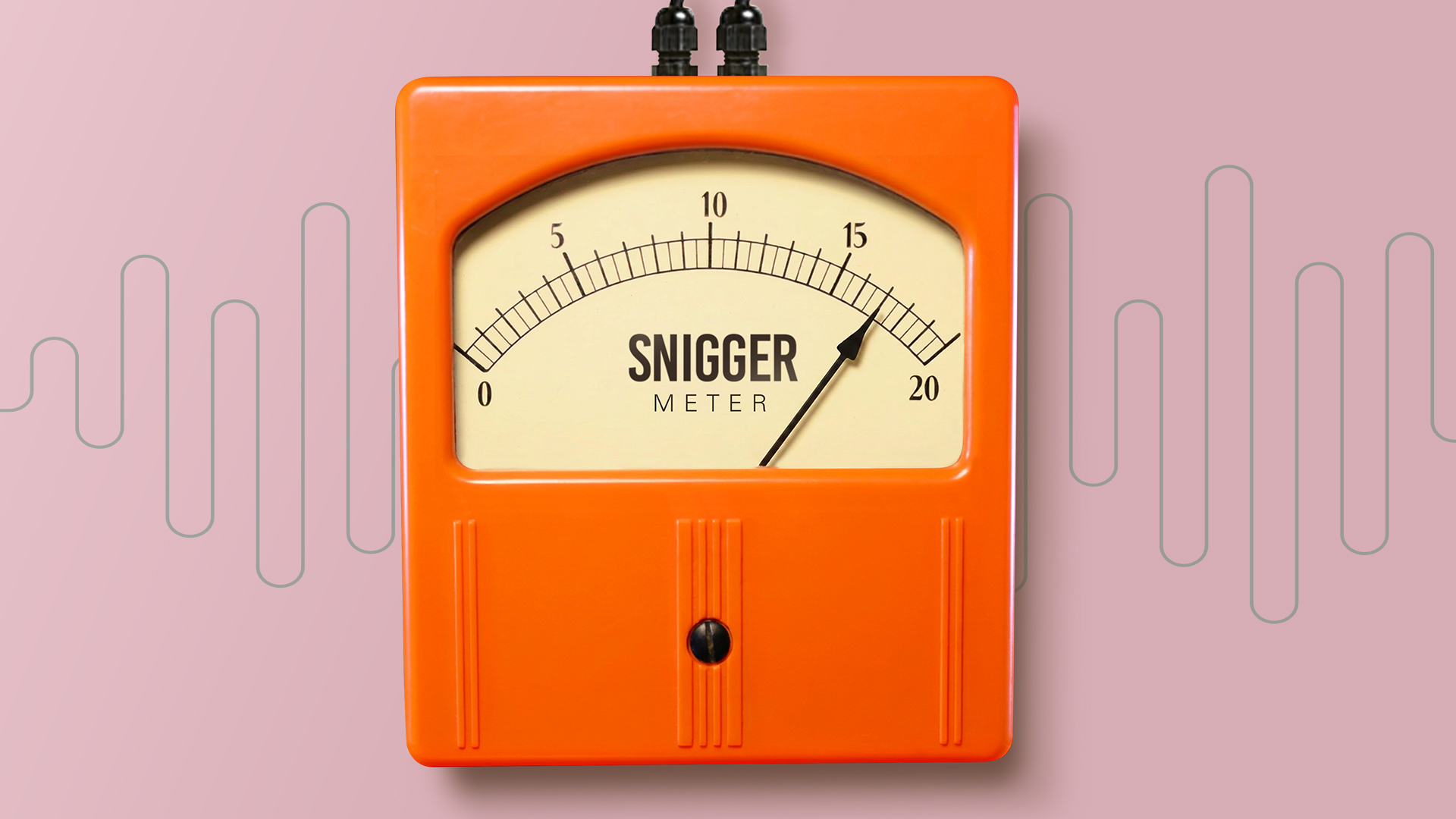
We call it the snigger test.
And it’s brutal.
Most EVPs don’t fail because they’re wrong. They fail because they sit in the wrong place. A little too polished. A little too perfect. Just far enough away from reality that people feel the gap.
But it’s more than that: a great EVP can’t just mirror reality either.
If it only reflects today — warts and all — it doesn’t inspire anything. It doesn’t stretch thinking. It doesn’t invite people to be part of something bigger or better.
The best EVPs sit in that uncomfortable middle ground.
They reflect and respect reality - so people recognise themselves in it. But they also reach beyond it - opening up possibilities, challenging assumptions, and inviting people to step forward and shape what comes next.
Get that balance right, and you get belief. Get it wrong - whether it’s too grounded or too aspirational - and you get scepticism.
Or worse… a snigger.
Employees don’t need a framework to spot the gap. They experience the organisation every day—their manager, their colleagues, their workload, the way decisions land.
So when the story doesn’t match those moments, they don’t challenge it. They just… don’t believe it.
That’s why audience testing matters. Not as a final sense-check, but as a stress test of the truth. Instead of asking, “does this sound good?” you ask: “Does this feel true, based on what it’s actually like to work here—and where we’re trying to go?”
That’s a much tougher question. And you can feel the answer in the room.
If your EVP doesn’t pass the snigger test, it doesn’t just fall flat. It chips away at trust. Because employees don’t separate what you say from what you do. To them, it’s all one experience.
So before you sign anything off, ask yourself: If this landed with a frontline team tomorrow… what would really happen? Not the polite answer. The real one. Because if there’s even a hint of a smirk, you’ve still got work to do.
Wise words from: Lee Smith
More insights